
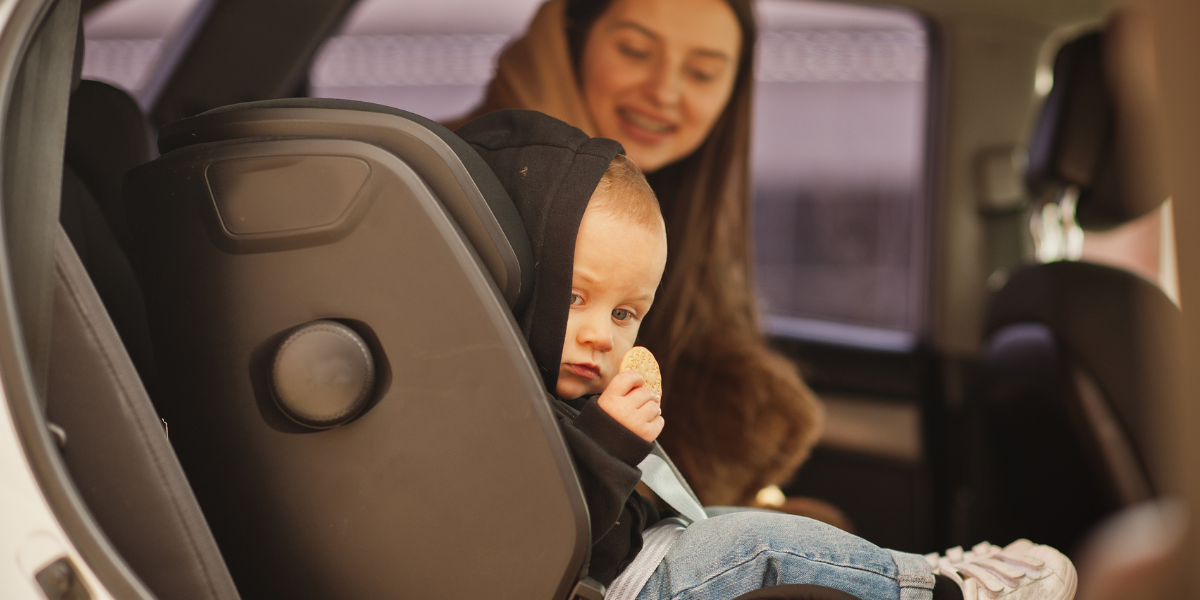
Travelling with children often requires more planning than many parents expect. Alongside booking transport, organising schedules, and keeping young passengers comfortable, safety remains a top priority. One area that frequently causes confusion is the use of child car seats in taxis. Many families are uncertain about what the law says, what taxi companies provide, and what steps should be taken before a journey begins.
For parents across St Albans and surrounding communities, understanding the regulations can make travelling far less stressful. From school runs and family outings to airport transfers and special occasions, taxi journeys are a regular part of life. However, taxi travel follows different rules compared to private vehicles, which can leave parents unsure about their responsibilities.
Learning about child seat regulations, safety recommendations, and booking considerations can help families make informed decisions and ensure children travel as safely as possible.
Why Child Seats Are Important in Taxis
Child car seats play a vital role in protecting young passengers during road travel. Children are not simply smaller versions of adults. Their bodies are still developing, which means standard seat belts do not always provide adequate protection.
Even though taxis are driven by professional drivers, accidents can still happen due to traffic conditions, weather, or the actions of other road users. Proper child restraints help reduce the risk of serious injury during sudden stops and collisions.
Protecting Young Passengers
A correctly fitted child seat helps distribute impact forces across stronger areas of a child’s body. This can significantly reduce pressure on the neck, spine, and head during an accident.
Different seats are designed for different stages of childhood. Babies require rear-facing seats, while older children may need forward-facing seats or booster seats, depending on their height and weight.
Why Short Journeys Still Carry Risks
Many parents assume that a short taxi journey does not require the same level of preparation as a long trip. However, road incidents can occur at any point during a journey. Research consistently shows that many collisions happen close to home and during routine travel.
Distance does not determine safety needs. A five-minute trip deserves the same attention to child safety as a longer journey.
Taxi Child Seat Laws in the UK
One of the most common concerns among parents involves understanding how taxi regulations differ from standard car seat laws. According to Orange Airport Transfers, in private vehicles, children are generally required to use an appropriate child car seat until they reach 135 centimetres in height or turn 12 years old, whichever comes first. Licensed taxis and private hire vehicles, however, are subject to specific exemptions under UK legislation.
Children Under Three Years Old
As stated by Express Taxis, children under the age of three can travel in the rear seat of a licensed taxi without a child seat if one is unavailable. In this situation, they must not travel in the front passenger seat. Although this is legally permitted, many safety organisations continue to recommend using a suitable child restraint whenever one is available.
Children Aged Three and Above
The ICS Private Hire states that children aged three years and older may travel in the rear seat using an adult seat belt if a child seat is not available. This exemption allows families to complete essential journeys when suitable equipment cannot be provided. Parents should still aim to use a child seat whenever possible, particularly for longer journeys.
How Taxi Rules Differ From Private Cars
The key difference is flexibility. Private vehicles must generally follow stricter child seat requirements. Taxis are given certain exemptions to ensure transport remains available in practical situations, including unexpected travel needs. Understanding this distinction helps parents make informed choices while remaining compliant with the law.
Common Myths Parents Should Ignore
There are several misconceptions surrounding taxi travel and child passenger safety.
- All taxis automatically carry child seats.
- Child seats are unnecessary during short journeys.
- Holding a child is safer than using a restraint.
- Taxi exemptions mean child seats are not important.
- Every taxi company follows identical child safety policies.
What Parents Should Ask Before Booking a Taxi
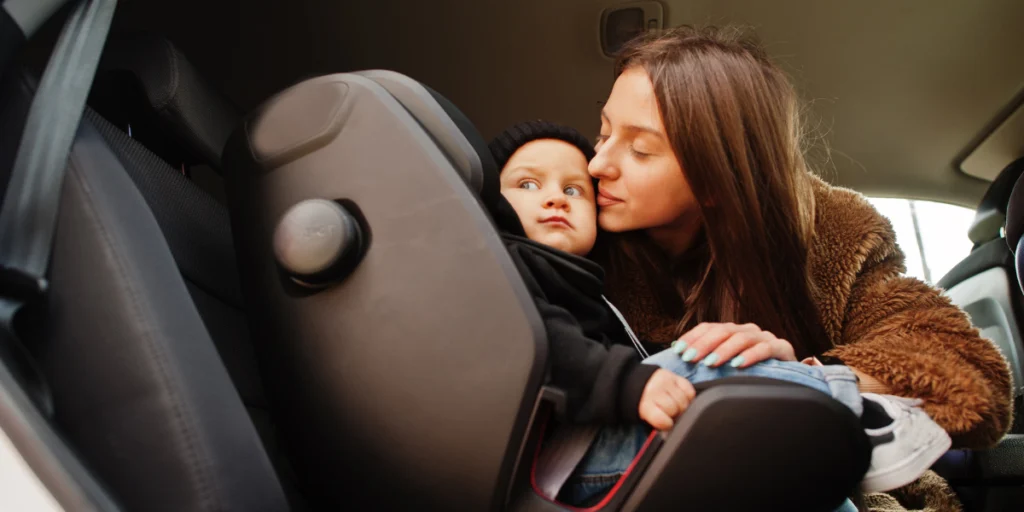
Booking a taxi with children becomes much easier when the right questions are asked in advance.
Confirm Child Seat Availability
Some operators can provide child seats upon request, while others may require families to supply their own. Checking availability before the journey helps avoid last-minute complications.
Discuss the Child’s Age and Size
Providing accurate information allows the taxi company to determine the most suitable seating arrangements. Different age groups require different types of restraints.
Check Vehicle Capacity
Families travelling with pushchairs, luggage, or multiple children should confirm that the vehicle has sufficient space for passengers and belongings.
Ask About Airport Transfers
Parents arranging airport taxis should discuss child seat requirements during the booking process. Airport journeys often involve longer travel times, making comfort and safety especially important for young passengers.
The Taxi Car Seat Requirements for Children
Parents often wonder what practical steps should be followed when travelling with children in taxis. The safest approach is to use an age and size-appropriate child restraint whenever possible. If a child seat is unavailable, parents should ensure children are seated correctly and using seat belts according to legal requirements.
Local Journeys
Short local trips may seem straightforward, but safety standards should remain consistent. Parents should not assume that reduced travel distance lowers the importance of proper restraints.
School and Activity Transport
Children travelling to school clubs, sports activities, or community events often use taxi services. Maintaining safe travel habits during these regular journeys reinforces positive behaviour and road safety awareness.
Long-Distance Travel
Longer journeys require additional attention to comfort and support. Children are likely to remain seated for extended periods, making proper restraint systems even more valuable.
Practical Safety Tips for Families
Several simple precautions can improve child safety during taxi journeys.
- Arrive a few minutes before pickup time.
- Check that seat belts are positioned correctly.
- Ensure child seats are securely fitted.
- Keep loose bags and toys secured.
- Avoid carrying children on laps.
- Encourage children to remain seated throughout the journey.
What Parents Need to Know About Taxi Travel Regulations for Children
Unexpected situations sometimes require urgent travel arrangements. Vehicle breakdowns, transport disruptions, and emergency appointments can leave parents needing a taxi at short notice.
In these circumstances, knowledge of the rules for travelling with kids in taxis becomes particularly valuable. The exemptions available to licensed taxis allow essential journeys to continue when a child seat cannot be accessed immediately.
Even so, planning ahead remains the preferred approach. Whenever practical, parents should seek a vehicle that can accommodate an appropriate child restraint.
How Professional Taxi Companies Support Child Safety
Reliable taxi operators understand that family travel requires additional consideration. Many companies invest time in driver training, vehicle maintenance, and customer communication to support safer journeys for passengers of all ages.
Driver Awareness and Responsibility
Professional drivers are expected to prioritise passenger safety and operate vehicles responsibly. This creates a more secure travel experience for families.
Vehicle Maintenance and Passenger Safety
Well-maintained vehicles contribute to overall road safety. Regular inspections and servicing help ensure important safety systems remain in good working condition.
Communicating Special Requirements
Families booking with us, a trusted taxi service in St Albans, should communicate any child-related requirements during the reservation process. Providing these details in advance allows the team to make suitable arrangements and ensure the most appropriate vehicle is available for a safe and comfortable journey.
Why Child Seats Matter During Taxi Journeys
Using child safety seats in taxis offers benefits beyond immediate protection. Appropriate restraints improve passenger comfort, particularly during longer journeys. They also help children remain securely positioned throughout the trip.
Perhaps most importantly, consistent use of child seats helps establish lifelong safety habits. Children who regularly travel using proper restraints often develop a stronger understanding of road safety as they grow older. While taxi exemptions exist for practical reasons, best practice continues to support the use of child restraints whenever possible.
FAQs
Can a baby travel in a taxi without a child seat?
Yes. Under UK law, a child under three years old may travel in the rear seat of a licensed taxi without a child seat if one is unavailable.
Do taxi companies provide child seats automatically?
Not always. Some operators provide them upon request, while others may require parents to bring their own.
Is a booster seat necessary for older children?
Many children need a booster seat until they reach the appropriate height for an adult seat belt to fit correctly.
Are child seats safer than using an adult seat belt alone?
Yes. Child seats are specifically designed to protect children according to their size and stage of development.
Should parents mention child seat requirements when booking?
Yes. Informing the taxi company in advance improves the chances of securing suitable arrangements and helps avoid delays.
Conclusion
Taxi travel offers a convenient option for families, but understanding child seat regulations is important. Taxi rules differ from those for private vehicles, which can sometimes cause confusion for parents. Planning ahead by checking child seat availability and discussing requirements with the taxi operator can make journeys safer and more comfortable.
While legal exemptions exist in certain situations, safety experts still recommend using appropriate child restraints whenever possible. Taking these simple steps helps ensure children travel securely and with greater protection.
Looking for reliable airport taxis in St Albans for your next family trip? We provide dependable airport transfers with a focus on comfort, punctuality, and passenger safety. Get in touch with us to book a ride today!